Homelab hardware UK Black Friday Deals 2026

Amazon UK · GBPAmazon sale dates · 19–30 November 2026US listings

Amazon Black Friday deals

As an Amazon Associate we earn from qualifying purchases. Prices and availability are accurate as of the time indicated and may change. The price and availability displayed on Amazon at the time of purchase apply.

Product and offerAmazon price
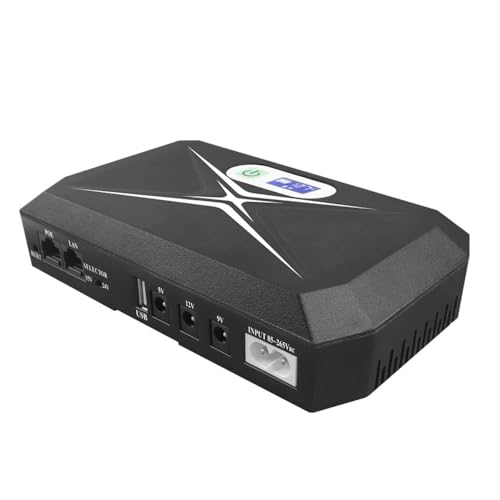
£17.97Was £29.95Checked
Buy on Amazon
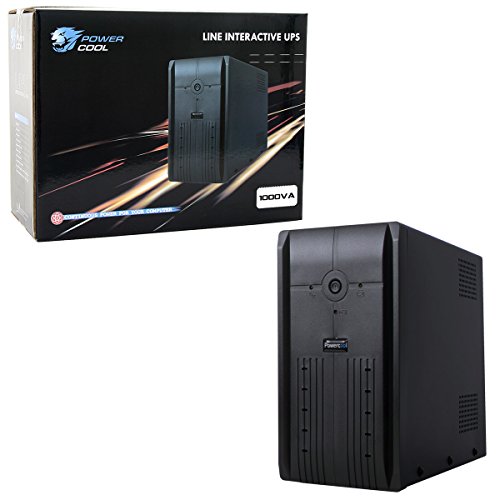
£79.99RRP £117.99Checked
Buy on Amazon
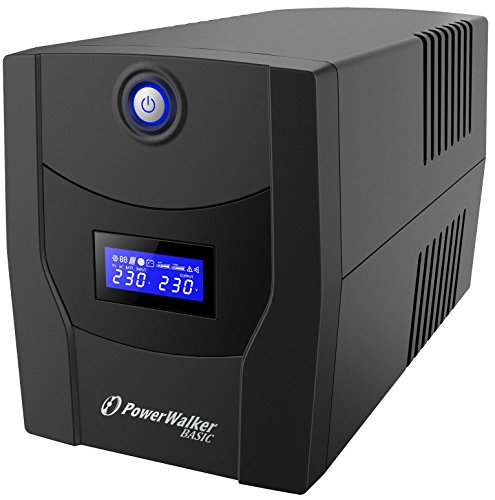
£49.99RRP £73.99Checked
Buy on Amazon
£102.40Was £134.97Checked
Buy on Amazon

Regular listings

Product and offerAmazon price
£29.99Checked
Buy on Amazon
£30.29Checked
Buy on Amazon
£50.99Checked
Buy on Amazon
£61.70Checked
Buy on Amazon
£62.99Checked
Buy on Amazon
£68.99Checked
Buy on Amazon
£79.97Checked
Buy on Amazon
£87.40Checked
Buy on Amazon
£88.99Checked
Buy on Amazon
£104.38Was £107.96Checked
Buy on Amazon
£119.99Checked
Buy on Amazon
£132.98Checked
Buy on Amazon
£159.97Checked
Buy on Amazon
£399.00Checked
Buy on Amazon
£579.00Checked
Buy on Amazon
£724.99Checked
Buy on Amazon
£739.58Checked
Buy on Amazon
£799.49Checked
Buy on Amazon

Buying guide

Choosing hardware for a homelab is a balance of budget, performance and future expansion. UK shoppers face special considerations around power requirements, warranties and local sourcing. This guide thoroughly covers how to make practical, value-driven decisions for home server, storage and networking hardware needs.

Defining Your Homelab Goals and Main Components

Before purchasing, set clear project goals: virtualisation, storage, networking, or learning new platforms. Common homelab components include mini servers, storage devices, switching, and sometimes wireless or UPS. Make a checklist of essential specs, such as CPU cores, RAM, network bandwidth, and storage expansion.

Decide whether you want rackmount, tower, or desktop-class equipment. Rackmount is compact and scalable but requires rack space and often more power and noise management. Tower servers are easier to source with standard UK mains power and quieter operation, but are bulkier and less dense for expansion.

Checking Compatibility and Sourcing in the UK

When buying hardware, check that power leads and PSUs are rated for UK 230V mains and BS 1363 plugs. Avoid equipment advertised for other regions that may include European or US power cords. For networking gear, look at local support for standards and management interfaces.

Research UK-specific warranties and after-sales support, particularly for key components. Some homelab gear may have direct manufacturer support, while others rely solely on the marketplace seller. Prioritise hardware sold with returns under UK consumer law for peace of mind during initial testing and setup.

Cost Analysis and Realistic Upgrade Path

Compare delivered prices, including VAT and shipping, with a careful eye on the extendability of each purchase. Used and refurbished enterprise hardware can offer great value but may have limited support and higher power draw than modern equivalents. Weigh the savings against likely electricity costs and lifespan.

Create a cost breakdown for core elements. For example, compare a second-hand 1U server for £200 plus £50 in upgrades to a new mini PC for £300 with warranty. The former may allow more expansion, but the latter could be quieter, more power efficient and have guaranteed support.

Validating Compatibility and Performance

Before purchase, validate that key parts (RAM, disks, NICs) are compatible with both the hardware and your target operating system. Read the full listing and, when possible, cross-reference model codes with official vendor or open-source compatibility lists for things like PCIe slots, drive bays or network chips.

For homelabs running virtualisation, network acceleration, or storage clustering, check in advance for any required licensing, firmware, or feature support. Budget extra time and resources for configuration, as shipping and support may be slower from non-UK sources.

Frequently asked questions

How do I ensure used homelab gear is UK-ready?

Check for UK mains-rated power supplies, plug type, and clear seller guarantees. Ask to see hardware photos and details of previous use. Prefer listings with UK returns and local support policies.

Are datacentre surplus or ‘off-lease’ items suitable for homes?

They can be excellent value for experienced users, but expect higher noise and power usage. Always confirm working condition, actual included parts, and check if the unit’s firmware or PSUs are UK compatible before buying.

Related Black Friday guides

Browse all Black Friday categories