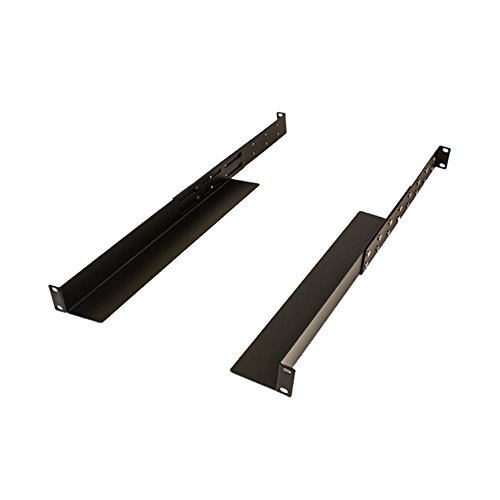
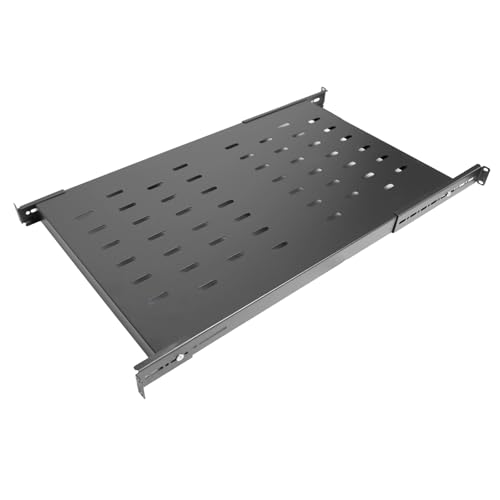
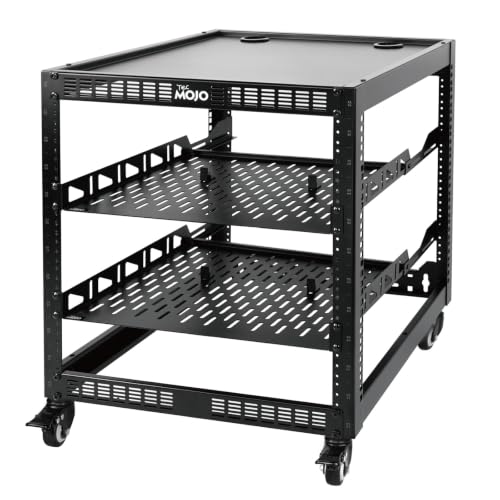
Choosing a rack or tower server for business or homelab use means reviewing CPU, storage, RAM, and power options together. Use this guide to compare Cyber Monday rack and tower server listings on Amazon.com. Review the exact configuration, compatibility, and delivered price, and consider expansion and warranty coverage before making a decision.
Evaluate Exact Server Specifications
Always check the detailed specifications in the listing and cross-reference them with model documentation. A Dell PowerEdge R740 can appear in several configurations: dual Intel Silver CPUs, 128GB or 256GB ECC RAM, and with either SAS or SATA drive bays. Only detailed spec sheets and configurator tools can confirm which CPUs and options are present.
Pay attention to included components versus empty sockets. Some listings mention dual CPU support but include only one processor. Read the memory and drive options: “16 BAY SAS, no drives included” is not equivalent to a fully populated server. Confirm what is standard and what must be added at extra cost, studying photographs for slot occupation and rear I/O.
Consider Management and Power Infrastructure
Integrated management such as iDRAC for Dell or iLO for HPE can simplify deployment and troubleshooting. Verify that remote management licenses are included if you need out-of-band hardware access. This is particularly useful for servers placed in difficult-to-access locations or lights-out environments.
Review power supply configurations and redundancy. Listings may offer single, dual, or hot-swappable power options and may not always include cords or compatible inputs. Double-check that your power/network environment supports the server, using electrical and connector details from the server’s technical manual. If not compatible, factor in the delivered cost of required adapters or accessories.
Compare Delivered Price and After-Sale Support
Review the total delivered price, accounting for sales tax and shipping differences across different Amazon sellers. After Cyber Monday, prices may return to their previous levels or shift to new inventory, so track the subtotal at the confirmation screen. Slight configuration differences, such as RAM or disk population, can have big effects on final cost.
After-sale support is critical. Some listings are from authorized refurbishers, while others are third-party resellers without warranty. Read the offer’s return and warranty terms closely. For new servers, confirm eligibility for manufacturer support or firmware updates using the server’s serial number or support tag once you receive the hardware.
Account for Expansion and Compatibility Needs
Consider your future expansion requirements. If intending to add more drives or RAM later, verify the number of empty slots and supported maximums in both the listing and OEM documentation. Upgrades such as network adapters or raid controllers must be compatible with the server's motherboard or backplane.
For a worked example, upgrading a rack server from 64GB to 128GB: Confirm the exact supported module type and population rules in the vendor’s guide. Not all servers accept third-party memory, and mixing ECC and non-ECC is usually not allowed. List served OS and virtualization needs to pick suitable CPUs and drive types.