Enterprise NVMe SSDs Black Friday Deals 2026
Amazon US · USDAmazon sale dates · Nov 19–30, 2026
Amazon Black Friday deals
As an Amazon Associate we earn from qualifying purchases. Prices and availability are accurate as of the time indicated and may change. The price and availability displayed on Amazon at the time of purchase apply.
| Product and offer | Amazon price |
|---|---|
$63.73Typical price Buy on Amazon |

Regular listings
| Product and offer | Amazon price |
|---|---|
$1,799.99$234.37/TBChecked Buy on Amazon | |
$7,912.20$239.76/TBChecked Buy on Amazon | |
$3,225.00$403.13/TBChecked Buy on Amazon | |
$10,242.08$3,200.65/TBChecked Buy on Amazon | |
$26.99Checked Buy on Amazon | |
$629.00Checked Buy on Amazon |
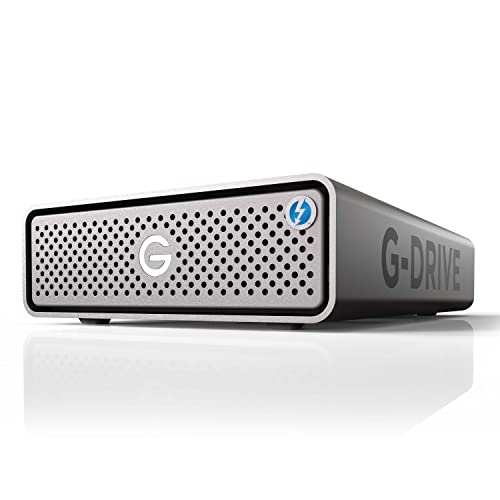


Related alternatives
Compare related models or capacities and check the exact specifications and fit before buying.
| Product and offer | Amazon price |
|---|---|
$1,079.57$281.14/TBChecked Buy on Amazon | |
$899.00$234.11/TBChecked Buy on Amazon | |
$1,694.75$441.34/TBChecked Buy on Amazon | |
$629.00$1,310.42/TBChecked Buy on Amazon | |
$1,061.45$552.84/TBChecked Buy on Amazon | |
$684.45$356.48/TBChecked Buy on Amazon | |
$1,091.15$1,136.61/TBChecked Buy on Amazon | |
 8% below reference Intel D3-S4510 960 GB 2.5" Internal Solid State Drive - SATA | $527.45Typical price Buy on Amazon |


Frequently asked questions
How do I know if an enterprise NVMe SSD will fit my server?
Check your server’s documentation for supported form factors (M.2, U.2, etc.), connector types, and PCIe version compatibility before selecting an SSD. Always match the manufacturer’s part number with your system’s Qualified Vendor List if available.
Should I buy new or used enterprise NVMe SSDs?
Used SSDs can offer significant savings, but always verify health metrics, remaining TBW, and warranty status from SMART reports or utilities before purchase. New SSDs ensure full manufacturer support and known endurance.
Related Black Friday guides
SSDs and flash
- SSDs
- NVMe SSDs
- SATA SSDs
- Portable and external SSDs
- Magnetic phone SSDs
- PS5 SSDs
- M.2 2230 SSDs
- PCIe 4.0 SSDs
- PCIe 5.0 SSDs
- Enterprise SATA SSDs
- U.2 SSDs
- High-endurance microSD cards
- 1 TB SSDs
- 1.92 TB SSDs
- 2 TB SSDs
- 3.84 TB SSDs
- 4 TB SSDs
- 7.68 TB SSDs
- 8 TB SSDs
- 15.36 TB SSDs
- Crucial SSDs
- Ediloca SSDs
- Fanxiang SSDs
- Fikwot SSDs
- KingSpec SSDs
- Kingston SSDs
- Kingston FURY Renegade G5
- Kingston KC3000
- Kingston XS2000
- Lexar NM1090 PRO
- Lexar NM790
- Micron enterprise SSDs
- ORICO SSDs
- OWC Envoy Ultra
- Samsung SSDs
- Samsung 870 EVO
- Samsung 870 QVO
- Samsung 9100 PRO
- Samsung 980 PRO
- Samsung 990 EVO Plus
- Samsung 990 PRO
- Samsung T5 EVO
- Samsung T7 Shield
- SanDisk Extreme Portable V2
- Solidigm enterprise SSDs
- SSK SSDs
- WD_BLACK SSDs
- WD_BLACK SN7100
- WD_BLACK SN8100
- WD_BLACK SN850X
- WD Red SN700