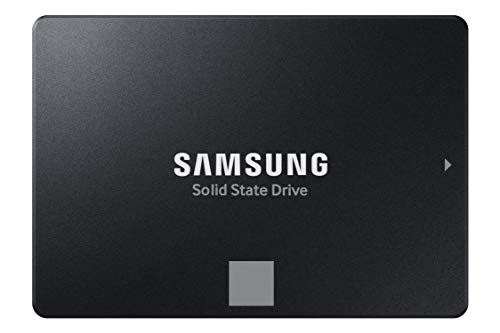
SATA SSDs Black Friday Deals 2026

Amazon US · USDAmazon sale dates · Nov 19–30, 2026

Amazon Black Friday deals

As an Amazon Associate we earn from qualifying purchases. Prices and availability are accurate as of the time indicated and may change. The price and availability displayed on Amazon at the time of purchase apply.

Product and offerAmazon price
$65.99List Price $109.99$131.98/TBChecked
Buy on Amazon
$39.99List Price $59.99$159.96/TBChecked
Buy on Amazon
Amazon Black Friday Deal 33% off
KingSpec 128GB 2.5 SSD SATA III Internal - 550MB/s Read, 520MB/s Write with 3D NAND Flash, for Laptop & Desktop PC Upgrade

New · KingSpec Storage · 128 GB · Ends

$19.99Typical price $29.69$156.17/TBChecked
Buy on Amazon
$96.65Typical price $123.99$96.65/TBChecked
Buy on Amazon
Amazon Black Friday Deal 18% off
KingSpec 512GB 2.5 SSD SATA III Internal - 550MB/s Read, 520MB/s Write with 3D NAND Flash, for Laptop & Desktop PC Upgrade

New · KingSpec Storage · 512 GB · Ends

$65.97Typical price $79.97$128.85/TBChecked
Buy on Amazon
$113.71List Price $135.99$113.71/TBChecked
Buy on Amazon
Amazon Black Friday Deal 15% off
KingSpec 2TB 2.5 SSD SATA III Internal - 550MB/s Read, 520MB/s Write with 3D NAND Flash, for Laptop & Desktop PC Upgrade

New · KingSpec Storage · 2 TB · Ends

$186.99Typical price $219.99$93.50/TBChecked
Buy on Amazon
Amazon Black Friday Deal 15% off
KingSpec 1TB 2.5 SSD SATA III Internal - 550MB/s Read, 520MB/s Write with 3D NAND Flash, for Laptop & Desktop PC Upgrade

New · KingSpec Storage · 1 TB · Ends

$109.99Typical price $129.59$109.99/TBChecked
Buy on Amazon
$106.84Typical price $125.69$106.84/TBChecked
Buy on Amazon

Regular listings

Product and offerAmazon price
$344.99$86.25/TBChecked
Buy on Amazon
$119.99List Price $159.99$119.99/TBChecked
Buy on Amazon
$65.99$128.89/TBChecked
Buy on Amazon
$131.99$131.99/TBChecked
Buy on Amazon
$39.49$154.26/TBChecked
Buy on Amazon
$189.99$189.99/TBChecked
Buy on Amazon
$489.71List Price $1,039.99$244.86/TBChecked
Buy on Amazon
$152.90$611.60/TBChecked
Buy on Amazon

Buying guide

SATA SSDs remain a popular upgrade for users seeking faster storage in older systems, laptops, and desktops limited to standard 2.5-inch or M.2 SATA slots. Selecting the right SATA SSD involves understanding compatibility, real-world performance, endurance, and value compared to NVMe options. This guide outlines the key details to check before buying a SATA SSD for your needs.

Interface and Drive Fit Considerations

SATA SSDs come in two primary formats: 2.5-inch drives for traditional bays and SATA M.2 drives for smaller, slim laptops or desktops. Ensure your system’s slots or bays are compatible and have the necessary mounting hardware. Not all M.2 slots accept SATA drives; some are NVMe-only. Check your device’s documentation and physical slot labeling.

Older desktops and laptops support SATA III (6Gbps), while legacy systems may limit performance further. Using a SATA SSD in a SATA II (3Gbps) interface restricts speeds well below the product’s listed maximum. Always reference your motherboard or system documentation for slot types, data connector availability, and which connections (e.g. SATA0, SATA1) are bootable if replacing a system drive.

Performance and Endurance Indicators

SATA SSDs typically top out at around 550 MB/s read and write speeds due to the bus limitation. Performance among models is close, so focus on controller stability, firmware support, and sustained speeds for your typical tasks rather than peak listed figures. TLC NAND delivers better endurance and consistency than QLC.

Endurance ratings vary by capacity, with higher capacity models generally offering higher TBW (terabytes written). If you’re frequently editing large files or multitasking, select a drive with higher TBW and a strong warranty. Some models target consumers with basic use, while others focus on power users or small businesses. Manufacturer documentation lists TBW, supported features like TRIM, and warranty support; check these carefully.

Evaluating Value and Alternatives

For budget builds or legacy systems, compare price per GB among similar drives and distinguish single drive offers from multi-packs. Avoid confusing SATA M.2 with PCIe NVMe M.2, as only the latter provides modern speeds. If your use case is heavy (frequent writes, large file transfers), premium SATA SSDs with enterprise features may be worthwhile.

If your system supports NVMe, consider the trade-offs. NVMe SSDs offer much higher throughput and lower latency, but can cost more and demand newer hardware. SATA SSDs are best for inexpensive upgrades or secondary storage. When new models launch or prices drop for larger capacities, waiting may yield better value or higher TBW per dollar.

Worked Example and Buying Checklist

Imagine you have an older laptop with a 2.5-inch SATA bay and want to speed up your boot and application loads. Check the available height (7mm or 9.5mm drives), then review product documentation for TBW, controller, NAND type, and firmware support.

Prioritize a drive with TLC or MLC NAND for stronger everyday performance and longer life. Record the vendor model code and compare it to your system’s compatibility list. If your system only supports SATA II, expect much lower speeds regardless of SSD specifications; focus instead on reliability and value per GB.

Frequently asked questions

Will a SATA SSD work in any laptop or desktop?

A SATA SSD only fits if your device has the appropriate 2.5-inch bay or M.2 SATA slot. Always check your device manual for supported drive types, slot formats and mounting requirements before purchase.

Is it worth paying extra for a high-end SATA SSD?

Higher-end SATA SSDs may offer greater endurance, longer warranties, or advanced features, but real-world speeds are similar across most models. Consider these drives if you require high write durability or additional firmware support.

Related Black Friday guides

Browse all Black Friday categories