8 TB hard drives Black Friday Deals 2026
Amazon US · USDAmazon sale dates · Nov 19–30, 2026
Amazon Black Friday deals
As an Amazon Associate we earn from qualifying purchases. Prices and availability are accurate as of the time indicated and may change. The price and availability displayed on Amazon at the time of purchase apply.
Amazon hasn’t reported a Black Friday deal for these listings. Check Amazon
Regular listings
| Product and offer | Amazon price |
|---|---|
$252.07$31.51/TBChecked Buy on Amazon | |
$279.99New Price Buy on Amazon | |
$299.99$37.50/TBChecked Buy on Amazon | |
$309.99List Price Buy on Amazon | |
$329.99$41.25/TBChecked Buy on Amazon | |
$329.99$41.25/TBChecked Buy on Amazon | |
$330.00Typical price Buy on Amazon | |
$340.14$42.52/TBChecked Buy on Amazon | |
$359.99List Price Buy on Amazon | |
$382.85$47.86/TBChecked Buy on Amazon | |
$390.41$48.80/TBChecked Buy on Amazon | |
$398.00$49.75/TBChecked Buy on Amazon | |
$409.99$51.25/TBChecked Buy on Amazon | |
$414.99$51.87/TBChecked Buy on Amazon | |
$436.87Typical price Buy on Amazon | |
$529.99$66.25/TBChecked Buy on Amazon | |
$573.99$71.75/TBChecked Buy on Amazon |
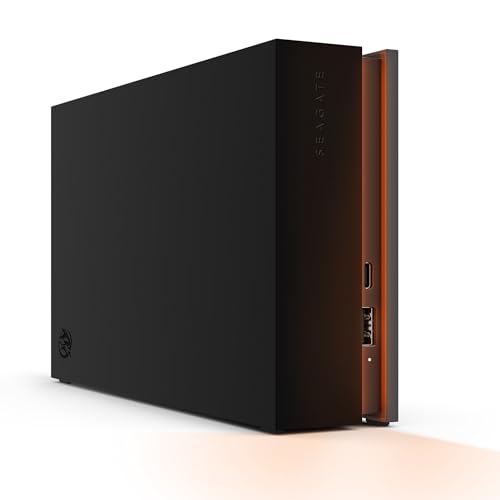


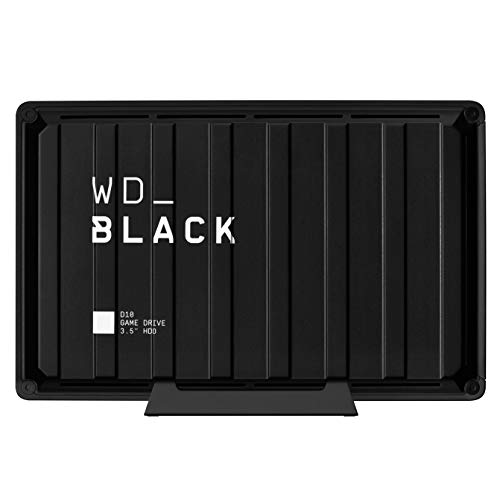


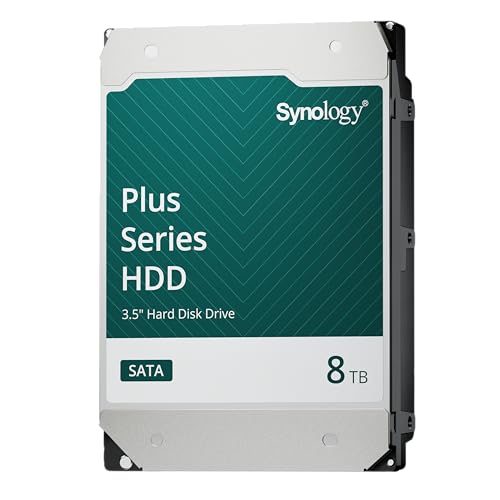


Frequently asked questions
Are all 8 TB hard drives suitable for use in a NAS or RAID array?
Not all are suitable. Choose models explicitly labeled for NAS or RAID use, with CMR recording and verified support in your enclosure or NAS vendor documentation. Avoid those with unclear or unspecified drive behavior.
Do I need to buy an 8 TB hard drive pack or just one?
Buy a single 8 TB drive for simple upgrades or replacements. Choose a multi-pack only if building or expanding a RAID/NAS where matching drives for performance, redundancy and warranty coverage are vital.
Related Black Friday guides
Hard drives
- Hard drives
- High-capacity hard drives
- Enterprise hard drives
- Refurbished enterprise hard drives
- NAS hard drives
- Surveillance hard drives
- External hard drives
- SAS hard drives
- 2.5-inch SAS hard drives
- SATA hard drives
- 6 TB hard drives
- 10 TB hard drives
- 12 TB hard drives
- 14 TB hard drives
- 16 TB hard drives
- 18 TB hard drives
- 20 TB hard drives
- 22 TB hard drives
- 24 TB hard drives
- 26 TB hard drives
- 28 TB hard drives
- Seagate Exos
- Seagate Exos X18
- Seagate Exos X20
- Seagate Exos X24
- Seagate IronWolf
- Seagate IronWolf Pro
- Toshiba MG
- Toshiba N300
- WD Gold
- WD Red
- WD Red Plus
- WD Red Pro
- WD Ultrastar
- WD Ultrastar HC550
- WD Ultrastar HC560